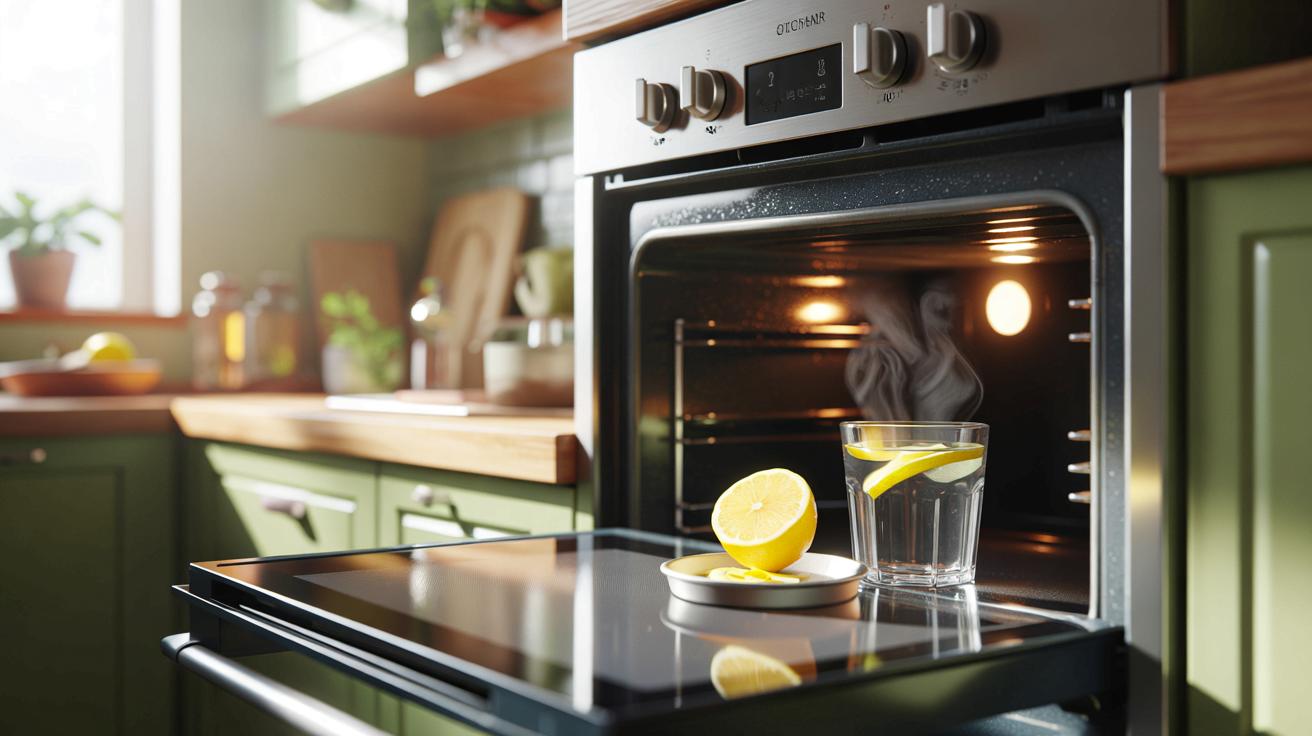
A lonely lemon slice on a cold oven rack looks like a mistake, yet thousands of homes are doing it on purpose.
From TikTok kitchens to tiny rental flats, more people are quietly tucking citrus into switched-off ovens. They’re not cooking with it. They’re using it as a low-effort ritual that promises fresher air, less grime and a gentler way to care for an appliance many of us ignore until it starts to smell.
Where the “cold oven lemon” habit came from
The trick didn’t start with a lab test or a brand campaign. It appeared piecemeal in cleaning videos and forums: an oven door opens, a slice of lemon sits on the rack, the appliance is clearly off. Viewers asked what recipe it was for. The answer: no recipe at all.
People tried it after strong-smelling dinners — roast chicken, fish, melted cheese. They left the lemon in a closed, cooling oven and came back hours later. The reports were similar: the heavy “last night’s dinner” smell had faded, and opening the door felt less like a punch of stale grease.
From there, the habit snowballed. Some users added a bowl of water, others threw in baking soda, a few pushed it further with vinegar. Yet the core gesture remained almost comically simple: lemon, cold oven, door shut, walk away.
Lemon in a cold oven isn’t a magic cleaning hack. It’s a small, repeatable ritual that slightly freshens the air and nudges you towards better upkeep.
What the lemon slice actually does inside a cold oven
Behind the feel-good videos, there is a bit of science. Lemon releases volatile compounds, mainly limonene, that smell bright and clean to most people. Those molecules don’t scrub metal, but they do change how we experience residual food odours trapped in a closed space.
At the same time, lemon juice contains citric acid. On glass and smooth enamel, that acid can start to loosen very thin films of grease or splatters, especially if the surface is still gently warm from recent cooking.
In a cold or just-warm oven, three things happen:
- Fragrance spreads through the oven cavity and masks lingering smells.
- Moisture from the fruit softens light residue on nearby surfaces.
- The slice acts as a visual cue that something is “in progress” inside the oven.
None of that replaces a proper deep clean. It does, though, make the oven feel less neglected between those heavier sessions.
➡️ According to psychology, life really starts to improve when you stop chasing other people’s approval
How people are using lemon in real kitchens
The basic method that actually works
The version most people stick to is straightforward:
- Cook as usual, then turn the oven off.
- Leave the door slightly open for 5–10 minutes so the worst steam and grease escape.
- Once it’s warm but comfortable to touch, place a fresh lemon slice on a small heatproof dish or directly on the rack.
- Close the door and leave it for an hour, or overnight if you like.
The next time you open the oven, the smell tends to be softer. A quick wipe with a cloth dipped in water, or in that lemony liquid left in your dish, usually lifts a light film from the glass.
Mini “lemon stations” for light maintenance
Some social media users build a small deodorising corner in the oven, especially after heavy bakes such as lasagne or cheesy trays:
- A ramekin or mug of warm water with a couple of lemon slices.
- Optionally, a separate spoonful of baking soda on a saucer to absorb odours.
- Oven off, door closed, left for one to three hours.
When they return, they dip a cloth in the warm lemon water and quickly wipe the inside of the door and the smooth parts of the cavity. The result isn’t showroom-level, but the glass often looks clearer and the air inside less stale.
Used right after cooking, lemon water in a warm, switched-off oven can make wiping easier and delay the need for harsher chemical cleaners.
When the lemon trick actually works — and when it fails
The habit has a sweet spot. It helps three situations in particular:
- Post-dinner smells: After fish, garlic, or cheesy dishes, the lemon softens the lingering odour.
- Light residue on glass: Thin, recent splashes are easier to wipe after an hour with lemon and water inside.
- Routine maintenance: Doing it once or twice a week can keep the oven from sliding into full “I don’t want to look in there” territory.
Expectation is where things go wrong. A slice of lemon in a cold oven will not:
- Strip thick black carbon from the walls.
- Erase years of baked-on spills.
- Fix a smoking oven that hasn’t seen a sponge since before the pandemic.
Used on a filthy appliance, the lemon becomes nothing more than a citrus-scented bystander. For that level of build-up, strong degreasers, scrapers or a self-cleaning cycle are still needed once in a while. Lemon works best as a gentle support act after the big job is done.
How to fine-tune the habit for your home
Small tweaks that boost the effect
A few simple adjustments make the trick more useful:
- Use fresh, juicy lemon: Dried ends from the back of the fridge don’t release much fragrance or liquid.
- Add a splash of water: Water slows drying and spreads the juice more evenly as a mild cleaning solution.
- Choose the right timing: A slightly warm oven is better than fully cold, as gentle heat helps release aroma without cooking the fruit.
- Follow with action: Always pair the ritual with at least a 30-second wipe of the most visible surfaces.
Many people find that once the lemon slice is completely shrivelled, it acts as a mental reminder. That dried wedge signals: you’ve reached the limit of “gentle maintenance”, it might be time for a proper clean.
Think of the lemon slice less as a cleaner and more as a timer that nudges you into tackling the job before it becomes overwhelming.
What this tiny citrus habit reveals about modern kitchens
There’s a reason this hack resonates with people living in flats, student halls and busy family homes. A full oven clean feels like a project: gloves, fumes, hours of waiting. A single lemon slice feels light, cheap, almost like an act of kindness towards a space you normally ignore.
That psychological side matters. Instead of treating the oven as a hidden, slightly shameful box, the ritual encourages small, regular contact. You open the door more often. You notice fresh splatters before they turn into baked-on stains. You’re more likely to wipe quickly because the step is already half-started by the lemon sitting inside.
| Habit | What actually happens | Practical benefit |
|---|---|---|
| Lemon slice in warm, off oven | Releases fragrance and a bit of citric acid, softens light films | Reduces odours and makes quick wiping easier |
| Lemon + water bowl | Moist, mild acidic steam circulates the cavity | Helps keep glass and enamel less cloudy between deep cleans |
| Lemon + baking soda on side | Citrus scent masks smells; soda absorbs some volatile compounds | More neutral overall aroma in small or poorly ventilated kitchens |
Risks, limits and smarter combinations
Most households can use this trick safely, as long as the oven is off and cool enough to touch. Leaving food waste in appliances for weeks is not a good idea, though. Lemon slices should be replaced frequently, not forgotten in the back of the oven until they go mouldy.
There are a few points to keep in mind:
- Allergy concerns: People with citrus sensitivities may prefer to rely on baking soda alone as an odour absorber.
- Metal parts: Very prolonged contact between strong acid and bare, damaged metal can cause minor corrosion, so keep very juicy slices on dishes rather than on exposed areas.
- Pets and children: Always check the oven before turning it back on so no forgotten ramekin or lemon slice ends up burning.
For deeper maintenance, some cleaners suggest combining methods seasonally: a store-bought degreaser or self-clean cycle every few months, with the lemon-in-cold-oven routine used weekly to slow down future build-up. That way you reduce how often you need harsh chemicals without pretending a piece of fruit can replace them entirely.
Practical scenarios where a cold-oven lemon helps
Imagine a small city flat with no extractor fan. You’ve roasted salmon on a Tuesday night and the smell hangs in the living room the next morning. Using a lemon slice in the warm, off oven won’t erase all traces, but it will soften that dense, oily scent that hits you every time you open the door to cook again.
Or think of a shared house where nobody really “owns” the oven. Heavy-duty cleaning rarely happens because no one wants to be the one to do it. A simple habit like leaving a lemon and water bowl inside after messy dinners is far easier to share, and it keeps the appliance at least presentable until someone finally commits to a full scrub.
Terms and small details worth understanding
Two words pop up frequently in discussions about this hack: limonene and citric acid. Limonene is the main compound that gives lemon and orange peels their characteristic smell. Our brains read it as fresh and clean, even though it doesn’t magically remove dirt. Citric acid is a weak organic acid found in citrus fruits, capable of dissolving some mineral deposits and helping to break down thin grease.
Used together in a closed oven cavity, these two components make the space feel better even when the visual change is subtle. That mix of small sensory improvements and low effort is exactly why a single slice of lemon, sitting quietly in a cold oven, has turned into one of the most shared domestic rituals on social media right now.